Flashes of light may appear as brief sparks, streaks, or camera-like bursts near the edge of your sight. A comprehensive eye exam at Milwaukee Eye Surgeons in Brookfield can help determine what is causing this change. Kenneth Weinlander, MD, is a board-certified ophthalmologist and fellowship-trained corneal surgeon who provides a broad range of medical and surgical eye care.
What Do Flashes of Light Look Like?
These visual effects can resemble lightning near the side of your sight, a quick flicker, or a sudden burst that becomes more noticeable in a dark room. They may occur in one eye and last only a moment.
Flashes are different from eye floaters, which usually look like drifting specks, threads, or cobwebs. Although the two symptoms are distinct, they can sometimes begin at the same time.
Why Can Vitreous Changes Cause Flashes?
The vitreous is the clear, gel-like substance that fills the center of the eye. As you age, it gradually becomes more liquid and may begin separating from the retina, the light-sensitive tissue at the back of the eye.
This change is known as a posterior vitreous detachment, or PVD. When the vitreous pulls on the retina during this process, you may see a flash even though no outside light has entered your eye.
A PVD is often part of the natural aging process and does not always damage the retina. In some cases, however, the pulling creates a retinal tear. Fluid can then move through the opening and separate the retina from the back of the eye, resulting in a retinal detachment. Because of that possibility, new flashes deserve a prompt exam rather than being written off as part of aging.
When Should You Be Concerned About Flashes?
Contact an eye doctor promptly when flashes begin suddenly or appear with:
- A shower of new floaters
- An increase in the number or frequency of flashes
- A dark curtain or shadow across part of your sight
- Sudden blurring or reduced vision
- Loss of peripheral, or side, vision
Flashes accompanied by new floaters may mean the vitreous is pulling on the retina. A retinal detachment is an emergency, so you should not wait to see whether these symptoms disappear. A curtain-like shadow, sudden loss of sight, or rapidly worsening symptoms may require immediate emergency care when the office is closed.
Other sudden changes in your vision can also signal that your eyes need prompt attention.
How Will an Eye Doctor Evaluate the Problem?
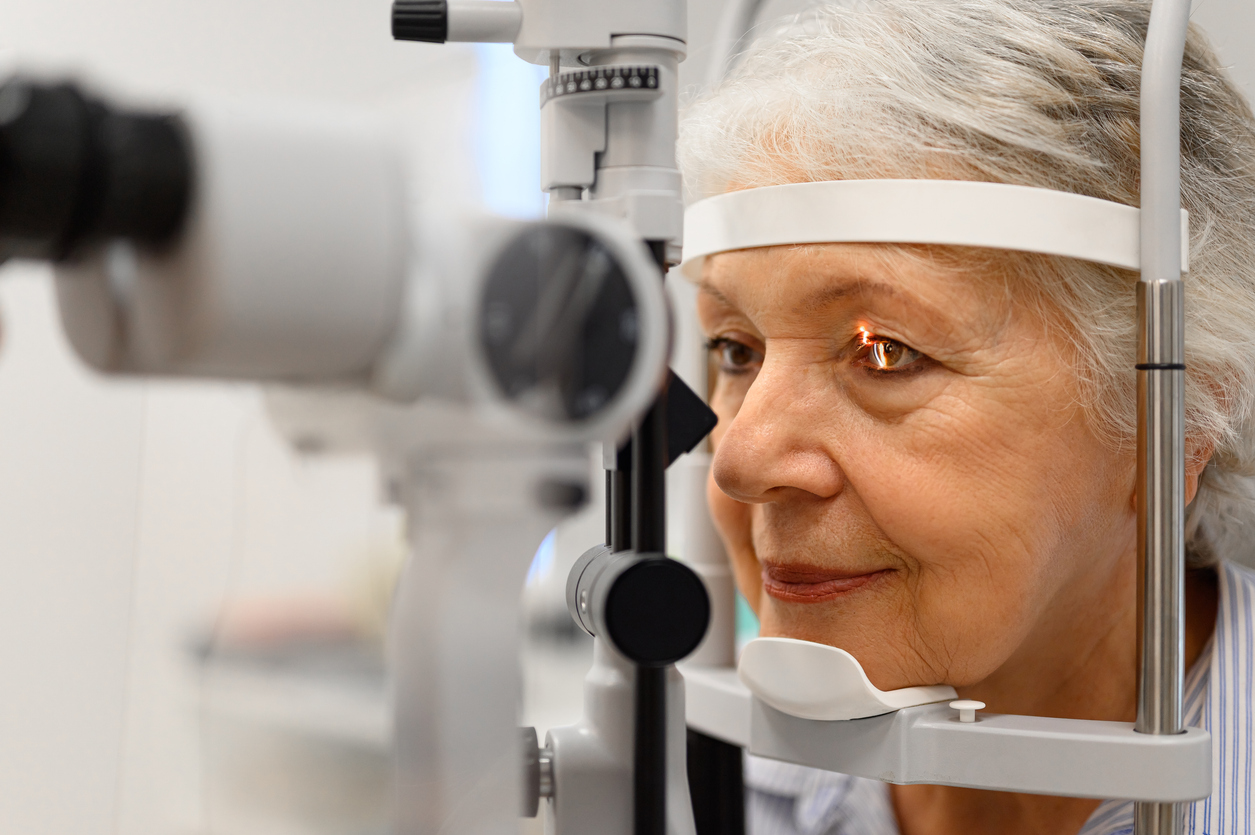
During a dilated exam, eye drops widen your pupils so the doctor can closely inspect the retina and optic nerve. The examination may reveal a vitreous detachment, retinal tear, bleeding, or retinal detachment.
Some age-related vitreous changes only require observation. Retinal tears or detachments may need urgent treatment to protect your sight. Persistent floaters may have separate treatment options, but the cause of any new light flashes should be checked first.
Have New Flashes Checked in Brookfield
Flashes of light can result from natural changes inside the eye, but a sudden onset may point to a retinal problem that needs prompt care. Milwaukee Eye Surgeons can examine your symptoms and determine whether monitoring or treatment is appropriate. Call 414-377-5550 or contact us to request an appointment in Brookfield, WI.